Lithium-ion Battery Development Monthly Brief | June 2026
Publisher: Voltrix Industry Research Center
Date of Issue: July 5, 2026
Positioning: A mid-level monthly研判 report for lithium battery energy storage industry practitioners, investors, and industry researchers, focusing on policy regulations, technology implementation, industrial chain restructuring, and sub-sector evolution, providing in-depth insights from a front-line engineering perspective.
Table of Contents
I. Executive Summary
II. Policy Trends: Global Rule Systems Taking Shape, Compliance Capability Reshaping Competitive Boundaries
III. Technology Iteration: Engineering Commercialization Becomes Core, Yield and Adaptability Define Technology Value
IV. Industrial Chain Dynamics: Overseas Capacity Expansion Enters Substantive Construction, Supply Chain Logic Shifts from Rivalry to Collaboration
V. Sub-Sectors: Scenario Differentiation Intensifies, Customized Engineering Capability Defines Sector Barriers
VI. Capital and Trade: Valuation Returns to Rationality, Resources Concentrate on Engineering Capability
VII. Comprehensive Industry Sentiment Assessment and Next-Month Watch List
VIII. Risk Alerts: Marginal Changes and Uncertainties in Core Trends
IX. Appendix: Key Data Comparison Table and Disclaimers
I. Executive Summary
Carrying forward the structural transition seen in May, the lithium battery energy storage industry continued its high prosperity in June 2026, but the underlying logic of growth has fundamentally changed: the industry is gradually moving away from the extensive phase of "policy-subsidy-driven scale expansion and low-price competition for market share," and entering a high-quality development cycle characterized by "rule-based quality competition, engineering implementation of technologies, and regional restructuring of global supply chains."
This month’s core conclusions can be summarized in three points:
(1) Policy has completed a paradigm shift – both domestic and international policies have moved from "industry support" to "rule-building." In China, the capacity tariff mechanism has shifted from subsidizing installed capacity to compensating capability, using tiered assessments to screen high-quality capacity. Overseas, mechanisms like CBAM and IRA have extended beyond tariff barriers to cover full lifecycle carbon footprints and local content requirements, making compliance capability the third core competitiveness after cost and technology.
(2) Technology has entered the deep-water zone of engineering commercialization – all mainstream technology routes have completed laboratory validation; the core bottleneck has shifted from "can we make it" to "can we produce it at low cost, high yield, and stable quality at scale." Yield ramp-up for超大 cells, supply chain adaptation for sodium-ion, and process implementation for solid-state batteries all depend on systematic optimization of full-chain engineering capabilities, not on single-point technological breakthroughs.
(3) Industrial globalization has entered Phase 2.0 – the Chinese lithium battery industry's going-global model has upgraded from "product exports" to a systemic layout of "capacity localization + technology transfer + compliance adaptation." Pure cost advantages can no longer break through global trade barriers; companies with cross-regional engineering delivery, local supply chain integration, and full-process compliance services will gain the upper hand in the new round of global competition.
Overall, industry barriers are systematically rising, and the room for extensive scale expansion and concept speculation has been greatly compressed. Deep understanding of industry dynamics, mastery of engineering details, and ability to adapt to global rules will become the watershed for core enterprise value in the next phase.
II. Policy Trends: Global Rule Systems Taking Shape, Compliance Capability Reshaping Competitive Boundaries
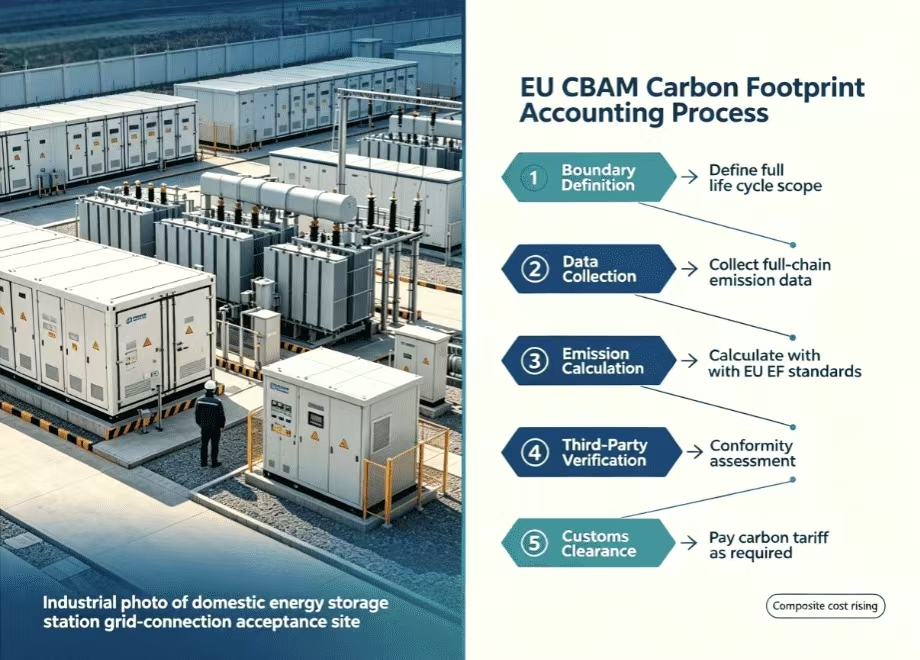
2.1 Domestic: Capacity Tariff Mechanism Closed-Loop Implementation – from "Scale Incentives" to "Value Assessment"
The key domestic policy milestone this month is the completion of the full closed-loop from top-level framework to local implementation rules for the nationwide capacity tariff mechanism. Its essence is a redefinition of the energy storage industry's position: energy storage is no longer merely a supporting facility for new energy, but a core regulation resource with independent value in the new power system, with revenue mechanisms shifting from "installation subsidies" to "capability payments."
Core Policy Content and Underlying Logic
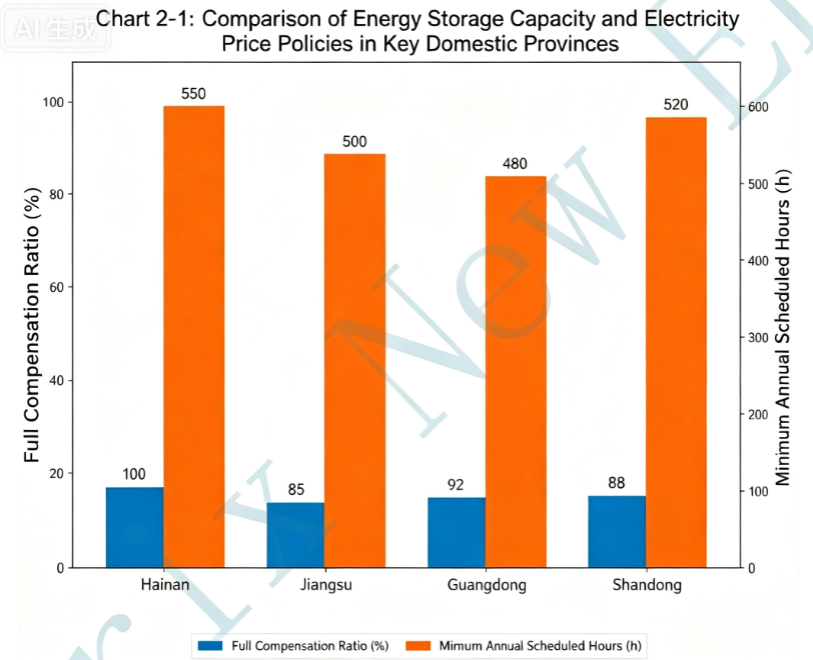
(1) Tiered compensation mechanism establishes value orientation – the NEA guideline clarifies the principle of differentiated compensation based on discharge duration, with provinces formulating tiered rules according to local power system needs – projects of 6 hours and above generally receive full capacity compensation, 4-hour projects about 60–70%, and 2-hour and below generally no more than 40%. This design uses price signals to guide the industry from extensive short-duration, large-scale construction toward high-value, long-duration development, directly matching the real need for long-duration peak-shaving in power systems.
(2) Assessment mechanism forces operational quality upgrade – compensation amounts are no longer directly linked to installed capacity, but deeply tied to three indicators: actual dispatch hours, equipment availability, and renewable consumption contribution. Taking Hainan as an example, projects on the provincial list must meet minimum annual dispatch hours ≥550 hours and equipment availability targets to receive full capacity compensation and local incentives; underperforming projects are penalized proportionally, and those failing two consecutive years are removed from the list, losing revenue eligibility.
(3) List management system eliminates speculative capacity – major storage provinces like Hainan, Jiangsu, and Guangdong have implemented project list management, setting clear provincial capacity ceilings; projects not on the list cannot access policy support, and projects that fail to start construction after filing expiry are automatically voided. This system has significantly reversed the industry chaos of inefficient filings and speculative land-hoarding, making project delivery and operational capability core prerequisites.
In-Depth Industry Impact Assessment
(1) Long-term industry consolidation accelerates, head effect strengthens – with rising policy thresholds, small and mid-tier players lacking power system resources and engineering operational capabilities will gradually exit; leading players with full-chain project development, construction, and O&M capabilities will continue expanding market share, with the industry CR5 expected to rise above 70% within the year. In the short term, existing projects still need digestion, and competitive landscape adjustments will unfold gradually.
(2) Technology routes tilt toward long life and high availability – with revenue tied to dispatch hours and availability, technology selection will shift from simply pursuing low cost to prioritizing long cycle life, high reliability, and low degradation – sodium-ion, flow batteries, and other long-duration technology routes will see enhanced economics.
(3) Local models will be rapidly replicated – Hainan's "list management + operational assessment + tiered incentives" model is highly replicable; more provinces are expected to follow with similar rules in H2, bringing systemic quality improvement to nationwide storage projects.
2.2 Overseas: Trade Rules Extend from Tariff Barriers to Full Lifecycle Compliance
The key overseas policy feature this month is the upgrade of trade protection from traditional tariff barriers to rule-based barriers covering the full product lifecycle, essentially redefining global lithium storage industry division and benefit distribution through standard-setting.
Core Policy Content and Underlying Logic
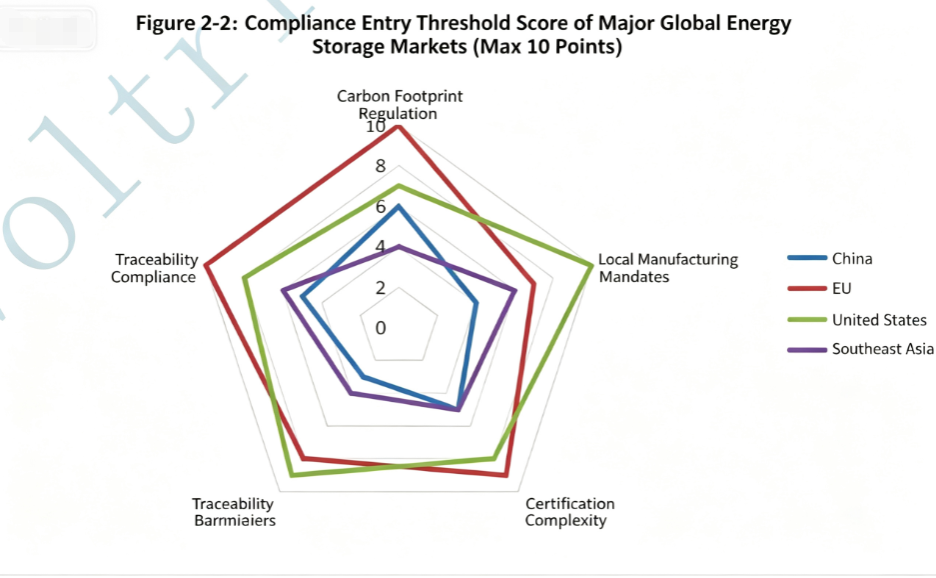
(1) EU CBAM: Carbon cost becomes a rigid expenditure – From June 2026, CBAM entered full implementation, requiring energy storage products to declare full lifecycle carbon footprints and pay carbon tariffs, covering the entire chain from mining, material smelting, cell manufacturing to system integration, with excess emissions taxed at EU carbon prices. More critically, the EU Battery Regulation simultaneously sets mandatory targets: by 2030, recycled lithium content in industrial and EV batteries must be no less than 12%, and full supply chain traceability is required; products without compliance certificates will lose EU market access. The deeper impact: China's lithium supply chain has carbon advantages in manufacturing, but upstream lithium refining and basic chemical materials have significantly higher carbon intensity than European levels; full lifecycle accounting will substantially weaken China's cost advantage, making carbon cost the third major cost item after raw materials and labor.
(2) US IRA: Local supply chain closure accelerates – IRA Safe Harbor rules further clarify that ITC percentages are deeply tied to domestic manufacturing content; meanwhile, FEOC restrictions continue to tighten – storage projects using FEOC-sourced critical minerals or battery components will be ineligible for the 30% ITC. The US's core goal is not simply to restrict Chinese products but to restructure the local supply chain from cells, materials, to equipment, building an independent system.
(3) Emerging markets: localisation requirements fast-track – Thailand, Saudi Arabia, Brazil and others have rolled out storage support policies, all requiring local capacity, technology transfer, and local hiring. Globally, "market-for-technology, market-for-capacity" is becoming mainstream; pure product export models will progressively lose policy dividends.
In-Depth Industry Impact Assessment
(1) Going-global model must be systematically upgraded – the path of relying solely on domestic capacity for price-competitive exports is unsustainable; Chinese companies must shift to a localized operating model of "local assembly + regional supply chains + compliance services." According to Voltrix Industry Research Center, in 2026, overseas capacity of Chinese top lithium battery companies accounts for less than 5% of their global total; based on announced overseas plant plans, this ratio is expected to rise above 20% in the next 3 years, with capacity concentrated in Europe and Southeast Asia.
(2) Green manufacturing becomes core competitiveness – hard carbon footprint requirements will force domestic companies to upgrade production processes, use green power, and deploy recycling systems, accelerating full-chain green transformation. Companies that first complete low-carbon line upgrades and build robust carbon accounting systems will gain significant competitive advantages in overseas markets.
(3) Global supply chains show regional divergence – the future global lithium supply chain will not be a single China-centric hub, but gradually form four regional clusters: China + Southeast Asia + Europe + North America, each with relatively complete supply chain support. Chinese companies' role will shift from product suppliers to technology and capacity exporters.
2.3 Deep Insight: Policy Paradigm Shift – Industry Enters New Phase of Rule-Based Competition
Synthesizing domestic and international policy trends shows: the global lithium storage industry's policy cycle has fully transitioned from "cultivation" to "regulation" – a qualitative leap in the industry's development stage. From a medium-to-long-term perspective, three trends deserve close attention:
(1) Domestic policy from "capacity subsidy" to "service payment" – after capacity tariffs, the next focus will be deepening ancillary service markets – frequency regulation, peak shaving, reserves, etc. – with storage revenue structures evolving from single capacity compensation to diversified "capacity + energy + ancillary services," further raising the weight of operational capability.
(2) Overseas policy from "border control" to "domestic rules" – current CBAM, IRA, etc. remain primarily border tariffs and access thresholds; the next step will extend to deeper compliance requirements like domestic operating standards, data security, and local hiring, continuously increasing complexity of overseas localization and demanding higher localized management capabilities.
(3) Global rules from "fragmented" to "mutual recognition" – as global storage markets integrate, international coordination on carbon accounting standards, safety certification, and recycling systems will gradually advance; companies that engage early in global standard-setting and gain rule-making influence will occupy commanding heights in long-term competition.
III. Technology Iteration: Engineering Commercialization Becomes Core – Yield and Adaptability Define Technology Value
This month saw no disruptive single-point breakthroughs; all mainstream technology routes are steadily progressing along established paths toward engineering-scale production.
The industry's core contradiction has shifted from lab-level performance metrics to yield, cost, and stability optimization on production lines. Technology value is no longer defined by paper specifications, but by economic viability and reliability at scale.
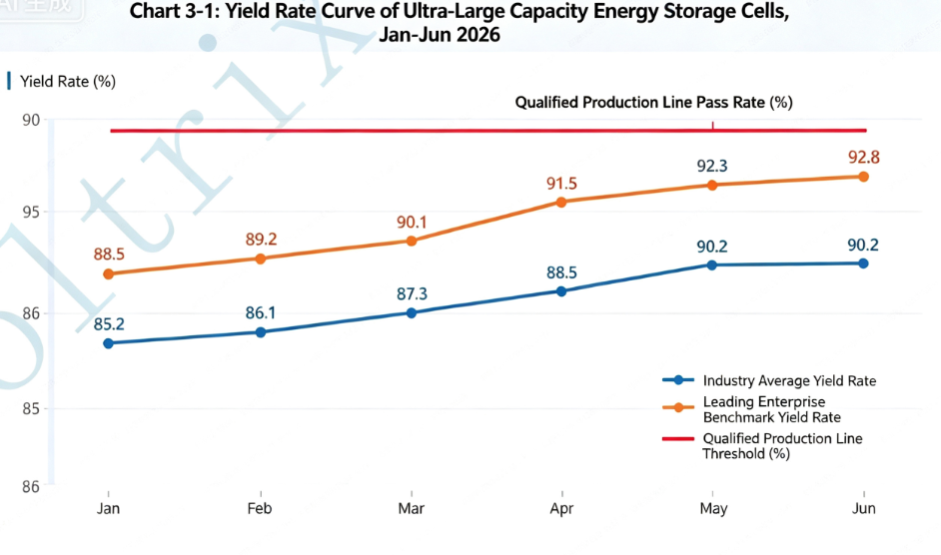
3.1 Ultra-Large-Capacity Cells: Mass-Production Yield Breaks 92%, Systematic Process Optimization Enters Deep Waters
Ultra-large-capacity cells are a definitive technology iteration path for grid-scale storage. This month's progress focuses on process optimization and yield ramp-up, with the gap between leaders and second-tier players widening.
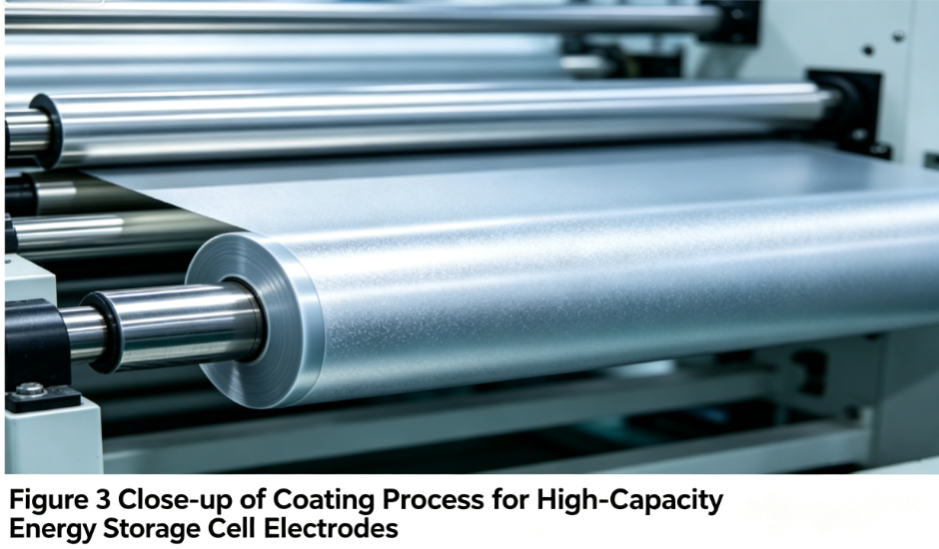
The difficulty of yield improvement is not about upgrading a single piece of equipment, but systematic control across the entire process: coating thickness uniformity of large-format electrodes must be controlled within ±1μm; cell packaging deformation accuracy must reach micron levels; and long-cycle expansion stress management requires synergistic optimization of materials, structure, and thermal management. Any precision deviation in any link is magnified by the large-size effect, ultimately dragging down overall yield.
The mass-production threshold for ultra-large cells is far higher than for conventional cells. Leading companies with deep process accumulation will be the first to break the cost inflection point, forming significant cost and quality advantages. Second-tier manufacturers that cannot quickly catch up will gradually be marginalized in the mainstream grid-storage market, and the structural divergence driven by technology barriers will continue to intensify.
Core Progress
(1) Yield ramp-up progressing steadily – current industry average mass-production yield for 500Ah+ ultra-large cells has exceeded 90%, with leading players' benchmark lines reaching 92–93%, just one step away from the 95% commercial target. Based on current ramp-up speed, leading companies are expected to achieve stable mass production by Q3 2026, with large-scale delivery starting in Q4.
(2) Cost advantages gradually materializing – based on industry general models, when line yield stabilizes at 95% and annual capacity is no less than 10GWh, the per-unit manufacturing cost of ultra-large cells under the same material system is 12–15% lower than 314Ah cells; combined with a 30% reduction in system-side components leading to BOS cost reduction, total system cost can decrease by 8–10%, with significant full-cycle economic advantages.
3.2 Sodium-Ion Batteries: Global Delivery Timetable Set, Supply Chain Adaptation Determines Mass-Production Cost
Sodium-ion batteries completed the critical transition from "technology validation" to "commercial delivery" this month. The clear global delivery timetable marks sodium-ion's formal entry into the substantive industrialization phase.
The core constraint for sodium-ion mass production is not material performance, but supply chain maturity and line compatibility. Building entirely new dedicated sodium-ion lines costs more than 60% more than retrofitting existing lithium lines, so the industry's mainstream approach is adaptation of existing lithium lines. However, the adaptation process requires targeted adjustments to cathode material grinding precision, electrode processing environment, and formation processes – placing high demands on process modification capabilities.
In the next 1–2 years, whoever first establishes a mature, low-cost sodium-ion supply chain and achieves efficient compatibility with existing lines will seize the initiative in this sector. Manufacturers with rich line-retrofit experience and deep ties with upstream material suppliers will gain first-mover advantages.
Core Progress
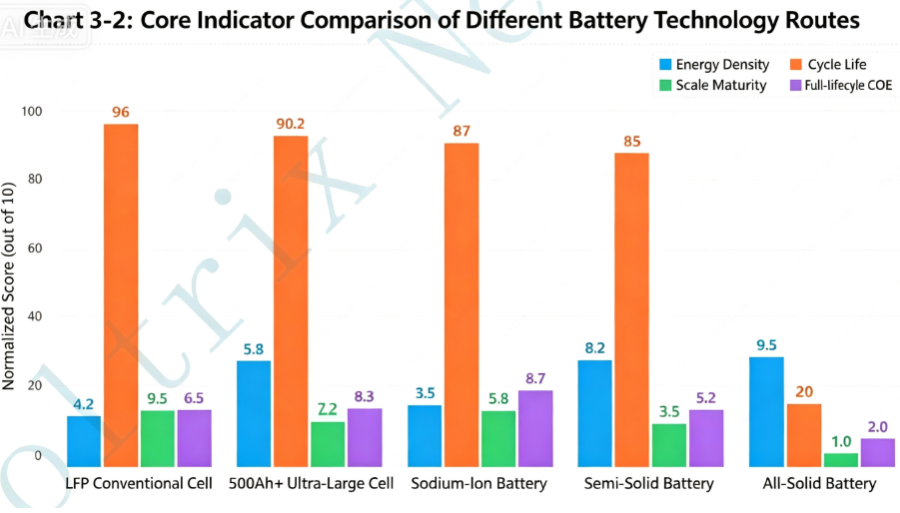
(1) Commercialization path clearly laid out – leading players have launched utility-scale sodium-ion storage solutions, with clear delivery schedules: domestic first deliveries in September, overseas in June 2027, with planned annual shipments of 1 GWh. Performance-wise, mass-produced products achieve cycle life exceeding 15,000 cycles at 1C charge/discharge, 25°C, 80% capacity retention; 90% capacity retention at -40°C; and based on 4-hour long-duration scenarios, LCOE reaches as low as 0.12 RMB/Wh, already surpassing LFP in economics for long-duration and cold-region applications.
(2) Two-pronged application drive – on the storage side, focusing on grid long-duration peak-shaving and cold-region renewable pairing; on the power side, focusing on low-speed vehicles, forklifts, AGVs, etc. The lithium-sodium complementary application landscape is fully formed. Given their technical characteristics, sodium and lithium are mainly complementary, with full substitution extremely unlikely; they will coexist in their respective dominant scenarios.
3.3 Solid-State Batteries: Semi-Solid on the Eve of Mass Production, All-Solid Sees Cost Breakthrough on Materials Side
Solid-state batteries continue the phased rollout of "semi-solid first, all-solid as the long-term goal." This month, semi-solid mass-production processes matured further, while all-solid achieved a key cost-reduction breakthrough on the materials side.
Semi-solid's core bottleneck is cost – currently 20–30% higher than liquid batteries, requiring gradual absorption through capacity expansion and yield improvement. All-solid's core bottlenecks are interface stability and large-scale manufacturing processes, still far from commercial application.
In the next 3 years, semi-solid will be the mainstream form of solid-state technology, gradually penetrating premium power and high-safety storage applications. All-solid remains in the technology accumulation phase, with overhyping discouraged; its industrialization timeline depends on systemic breakthroughs in core materials and processes.
Core Progress
(1) Semi-solid batteries: mass-production processes mature – 350Wh/kg semi-solid power batteries are confirmed for mass-produced vehicle installation in H2 2026, and storage-side semi-solid products have passed project validation in multiple locations. Semi-solid's core value lies in significantly improved safety and moderate energy-density upgrades; its production processes are highly compatible with existing liquid lines, presenting low implementation hurdles, with scaled application expected by 2027.
(2) All-solid batteries: materials cost breakthrough – domestic research teams have made progress in zirconium hydroxide-based solid electrolytes, achieving laboratory-level raw material costs as low as 1/12 of traditional sulfide electrolytes, offering a new path for long-term cost reduction. However, core challenges such as interfacial impedance, rate performance, and large-scale preparation remain unsolved; the industry consensus for mass-production scale is around 2030, depending on breakthrough speed in core materials and processes – no short-term commercial conditions exist.
IV. Overseas Capacity Progress Varies; Supply Chain Logic Shifts from Rivalry to Collaboration
The core theme this month in the industrial chain is the deepening of globalization and restructuring of supply chain relationships. China's lithium battery industry's overseas expansion has moved from the trade level of product exports to the industry level of capacity construction and supply chain support; upstream-downstream cooperation has shifted from short-term price bargaining to long-term deep collaboration.
4.1 Midstream Capacity: Overseas Plants Move from Planning to Implementation – Engineering Capability Becomes Key Support
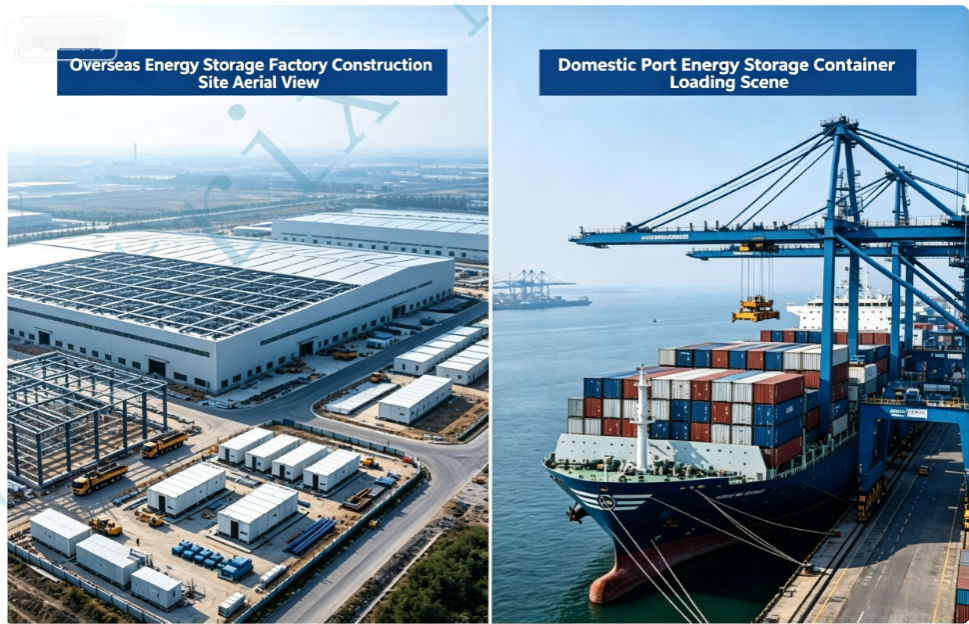
Leading companies' overseas capacity layouts have moved from strategic planning years ago to actual construction and commissioning – China's lithium battery manufacturing capability is being replicated globally.
The biggest challenge in overseas capacity construction has never been moving factories and equipment, but the localized replication of engineering processes and supporting supply chain implementation. Line commissioning and tuning, local workforce training, local supplier onboarding, and compliance system setup all require strong engineering capabilities and cross-cultural management skills.
The progress and operational efficiency of overseas capacity will be a core differentiating factor in the next round of industry consolidation. Companies with mature line export capabilities and globalized engineering management systems will gain the upper hand in the localization wave; those that can only export products, not capacity and technology, will see overseas market share gradually squeezed.
Core Progress
(1) European capacity accelerates – leading players have started second-phase expansion at their German plant; the Hungary storage plant has achieved structural topping-out, with small-batch production expected by year-end. European capacity is positioned to serve the EU local market, meet CBAM carbon and local-content requirements, and circumvent trade barriers, with product positioning focused on high-end storage systems.
(2) Southeast Asian capacity expands rapidly – assembly capacity in Thailand and Vietnam is progressing ahead of schedule, with multiple companies' lines scheduled for commissioning in Q4. Southeast Asian capacity is positioned as a global supply chain hub, serving both developed markets and local demand, leveraging tariff and cost advantages to build a second manufacturing base.
4.2 Upstream Raw Materials: Price Volatility Narrows, Long-Term Contracts Become Mainstream Cooperation Model
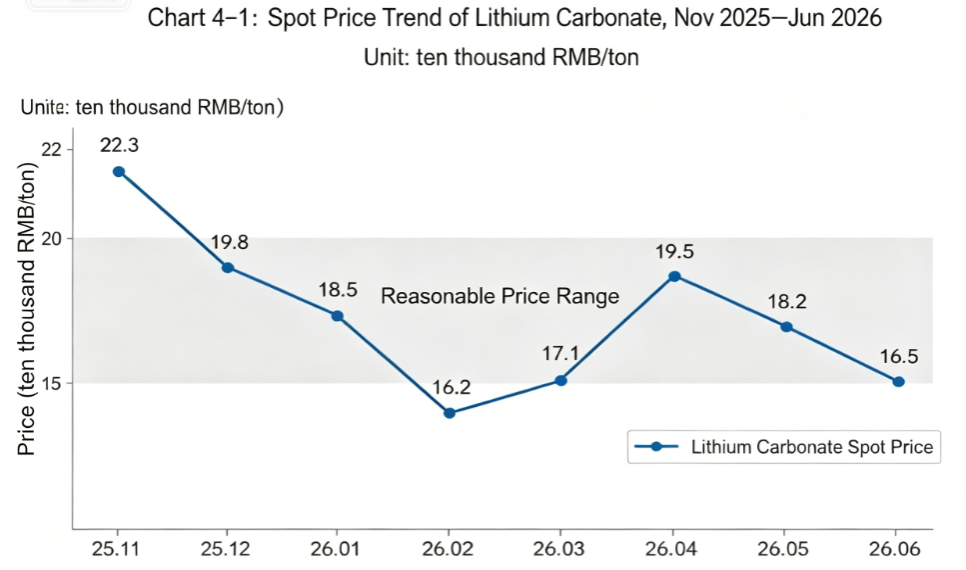
The upstream raw material market has ended its previous sharp volatility; the era of large one-sided lithium price moves is over, entering a range-bound oscillation under tight supply-demand balance. The cooperation logic along the chain has fundamentally changed accordingly.
Enterprise competitiveness is no longer about precise bottom-fishing procurement capabilities, but about achieving stable and controllable costs through deep supply chain engagement and refined inventory management.
Core Progress
(1) Prices gradually stabilizing – June lithium carbonate prices oscillated broadly in the 150,000–180,000 RMB/ton range, recovering toward month-end with significantly narrowed volatility. On the midstream materials side, LiPF6 and electrolyte prices dipped slightly, while separators, high-end copper foil, and anode materials remained stable – the entire price system is entering a relatively stable interval.
(2) Long-term contracting becomes mainstream – leading cell companies have signed 3–5-year supply agreements with upstream lithium miners and key material suppliers, using volume-guaranteed but price-flexible or tiered pricing mechanisms to ensure supply stability and smooth price volatility risks. Industry cooperation logic has shifted from "opportunistic short-term price negotiation" to "symbiotic long-term risk-sharing."
4.3 Recycling Systems: Closed-Loop Value Evolves from Compliance to Supply Chain Security Support
Battery recycling's industry value is rapidly upgrading – from its initial environmental compliance purpose to a critical pillar of supply chain security and a key lever for addressing overseas carbon rules. It is no longer a marginal end-of-life segment but a core component of full lifecycle management. In the future, companies with global recycling networks and high-recovery-rate technologies will gain significant advantages in supply chain security and compliance competition.
Core Progress
(1) Domestic recycling system standardization accelerates – after full implementation of EPR, leading players' recycling orders have grown over 50% year-on-year; AI-assisted disassembly, hydrometallurgy, and other technologies continue to upgrade, with recovery rates for lithium, cobalt, nickel steadily improving, and cost advantages of recycled materials gradually emerging.
(2) Overseas recycling deployment simultaneously launched – to meet EU recycled material content requirements, leading companies have begun to localize recycling networks in Europe, building "local production – local recycling – local regeneration" closed-loop systems; in-situ application of recycled materials significantly reduces product lifecycle carbon footprint, enhancing compliance competitiveness.
V. Sub-Sectors: Scenario Differentiation Intensifies – Customized Engineering Capability Defines Sector Barriers
This month, the evolutionary paths of sub-sectors further diverged, with significant differences in core demands, technical standards, and competitive logic across scenarios. The era of universal products covering all sectors is over; customized engineering solution capabilities tailored to specific scenarios become the core barrier.
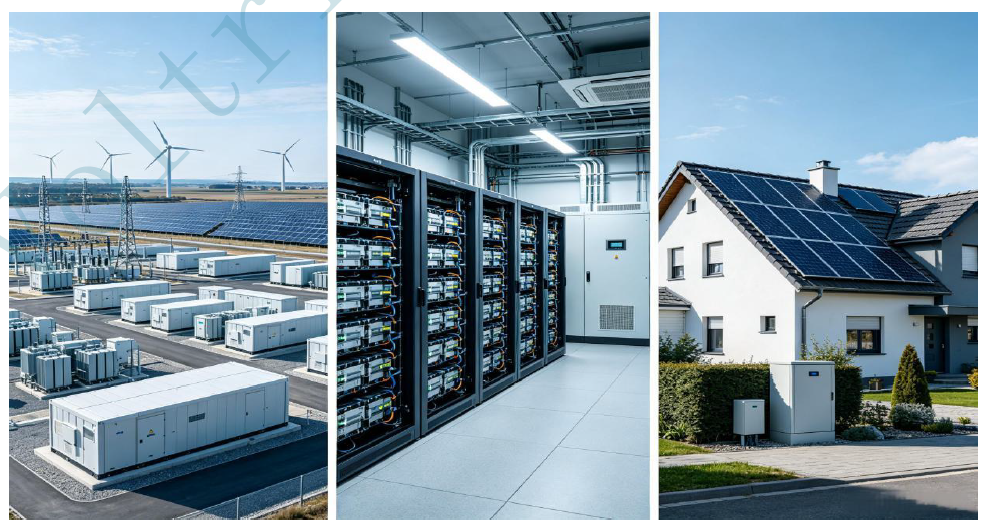
5.1 Grid-Scale Storage: Long-Duration Trend Clear, Full-Cycle Cost Becomes Core Competitiveness
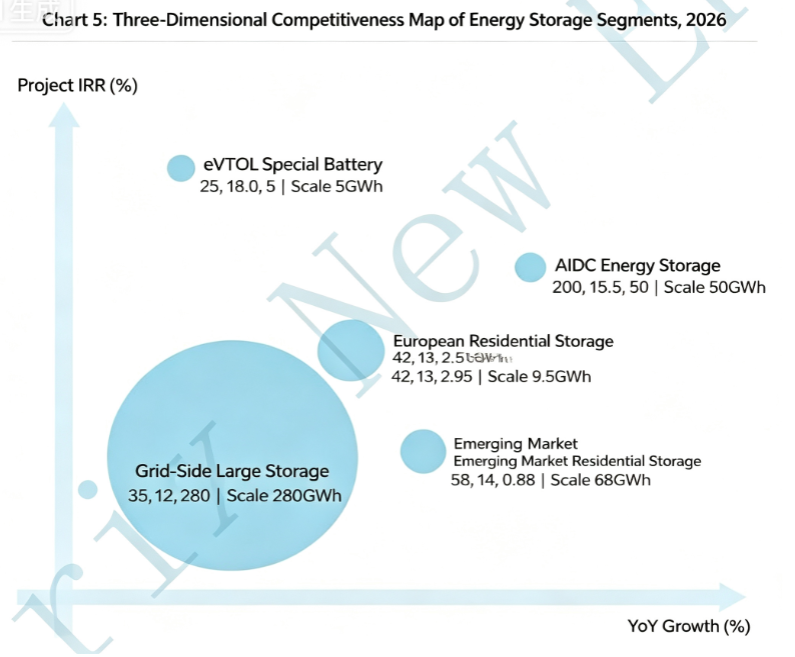
Grid-scale storage remains the absolute mainstay of industry installations, but its competitive logic has shifted from "lowest bid to win projects" to "full-cycle revenue maximization." Long-duration and high reliability are clear technology directions.
(1) Long-duration storage share continues to rise – in June public tenders, 4-hour and above projects accounted for 45%, with 6-hour+ projects steadily increasing, fully aligned with capacity tariff policy signals. Flow batteries, sodium-ion, and other long-duration routes are gaining penetration.
(2) Competition pivots to LCOE – tender evaluation criteria have shifted from simple system quotes to full-cycle levelized cost of energy (LCOE). Cell life, system availability, O&M costs, and residual value are all core metrics in solution assessment. Companies with long-life cells, efficient system integration, and smart O&M capabilities will gain greater advantages in bidding.
5.2 AIDC Compute Storage: High Prosperity, High Barriers – System Integration Precision Defines Access Threshold
Compute storage is this month's fastest-growing, highest-premium "golden" sector, but its access barriers far exceed traditional storage – not all companies can share in this pie.
(1) Demand explosion is highly certain – the AI computing boom drives surging demand for data center storage, with the industry generally adopting a 1:1 storage-to-compute power ratio; global AIDC storage demand is estimated at 50 GWh in 2026, up 200% year-on-year. Leading cloud providers, carriers, and IDC companies are accelerating deployments, with project IRRs exceeding 15%, significantly more profitable than traditional storage.
(2) Core barrier lies in system engineering capability – compute storage doesn't demand higher energy density, but extreme safety, stability, and longevity – requiring >15-year service life, low degradation under continuous high-load operation, millisecond response, and multiple safety protections. The storage system must deeply integrate with the data center's power architecture, thermal management, and O&M systems, requiring highly customized system solutions and engineering delivery – meaning only companies with bespoke system capabilities and rich high-reliability project experience can enter this high-value track; pure cell manufacturers cannot directly capture the sector's benefits.
5.3 Residential Storage: Growth Resilience Evident – Localization Compliance and Service Redefine Export Landscape
Residential storage maintains steady growth – not explosive, but with strong demand resilience. The market landscape is shifting from cost-performance competition to comprehensive competition in branding, compliance, and service.
(1) Global demand resilient – European penetration has exceeded 30%, with demand shifting from explosive growth to steady upgrades; emerging markets like Southeast Asia, Latin America, and Australia are growing over 50%, becoming new growth poles. On the product side, 400V+ high-voltage all-in-one, solar-storage-charging integration, and smart energy management are upgrade directions.
(2) Export competition dimension upgrades – the era of relying solely on low prices is over. Different markets' grid codes, safety certifications, carbon footprint requirements, and after-sales service systems create layers of access barriers. Chinese companies must build local teams, channels, and service systems, deeply adapting to local rules to sustainably penetrate markets. Leading brands continue to gain share through branding and localized service, while white-label low-cost products from smaller players face shrinking space.
5.4 eVTOL and Specialty Batteries: Niche High-Value Track – Technology Certification Barriers Long-Term Stable
Specialty batteries represent an important direction for lithium technology toward high-end scenarios, embodying the industry's technological ceiling and a differentiated track for leaders to build technical moats. eVTOL, aviation, marine, and other specialty battery segments are not large in scale, but carry extremely high technical barriers and lucrative margins.
(1) eVTOL commercialization approaching – global eVTOL deliveries are estimated at 5,000 units in 2026, corresponding to about 5 GWh of battery demand, with domestic leaders already supplying in volume. Aviation applications demand extreme energy density, discharge rates, and safety levels; cylindrical cells, with excellent rate and safety performance, account for over 86% of market share.
(2) Certification barriers persist – specialty scenarios like aviation and marine have long certification cycles and stringent standards; once suppliers are qualified, replacement is extremely difficult, giving first-movers strong moats. This type of track is not suitable for large-scale capacity expansion, but for building long-term barriers through deep technology cultivation.
VI. Capital and Trade: Valuation Returns to Rationality – Resources Concentrate on Engineering Capability
This month's data from both capital and trade ends collectively confirm one conclusion: the market is shedding concept hype and returning to industrial fundamentals, with capital and resources continuing to concentrate in leading companies with genuine delivery capability and stable profitability.
6.1 Primary Market: Investment Logic Shifts from Technology Concepts to Implementation Capability
Investment heat in the primary storage sector has cooled somewhat, but investment quality has significantly improved, with clear shifts in capital preferences.
(1) Deal count declined year-on-year, but average deal size rose significantly, with capital flowing to leading projects. Investment direction has shifted from early-stage material R&D and concept technology projects to projects with real implementation scenarios – storage system integration, production line engineering services, supply chain integration, and recycling system development.
(2) Industrial capital has become the main investment force – its core motivation is no longer short-term financial returns, but filling out industrial chain positions, acquiring engineering capabilities, and completing globalization layouts. This means early-stage projects that simply tell technology stories face greater financing difficulties; teams with industrial resources and execution capabilities will gain more favor.
6.2 Secondary Market: Earnings Certainty Premium Stands Out – Head Concentration Continues to Rise
Valuations in the secondary lithium storage sector are gradually returning to rationality, with market pricing shifting from growth-rate narratives to earnings certainty and long-term competitiveness.
(1) Overall sector valuation multiples have come down, but leading companies with core technology, global footprint, and stable earnings maintain firm valuations, with market-cap share continuing to rise. Names with weak earnings delivery, unclear technology paths, or reliance on concept hype see continued valuation corrections.
(2) From earnings structure, leading players' overseas revenue share and engineering-service revenue share continue to rise; this structural optimization is steadily consolidating earnings resilience and supporting long-term valuations.
6.3 Import/Export Trade: Export Structure Upgrades – Local Assembly Model Share Rises
Storage product exports maintain growth, but the structure and model of exports are undergoing profound changes.
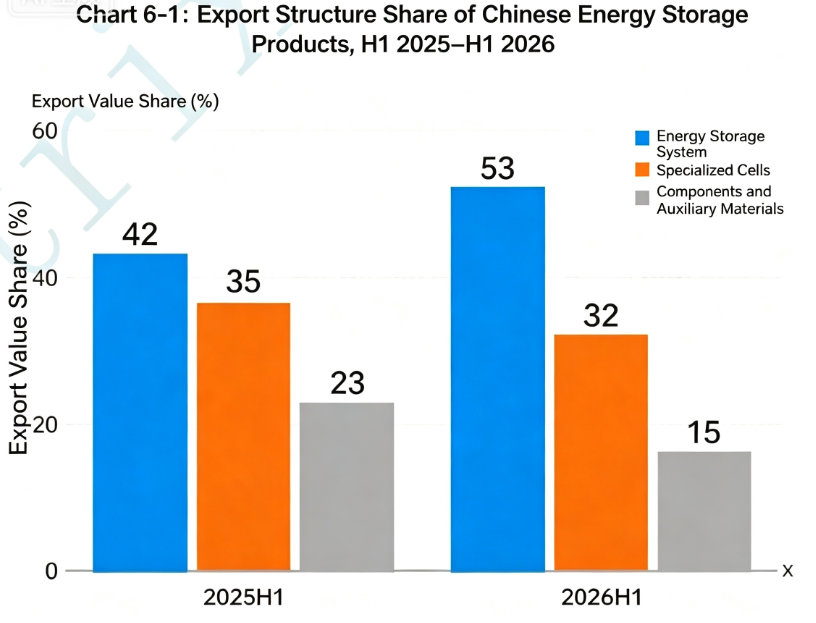
(1) Jan–Jun 2026 storage product exports grew 28% year-on-year, with high-value-added storage systems and dedicated cells growing significantly faster than general components and low-end products.
(2) Export models are quietly changing – the traditional model of "domestic production, full-container export" is gradually declining, while "core components exported domestically, assembled locally overseas" is rising. This approach both avoids tariffs and compliance risks and leverages local cost advantages, representing the mainstream evolutionary direction for Chinese companies going global.
VII. Comprehensive Industry Sentiment Assessment and Next-Month Watch List
7.1 PISTER Six-Dimension Sentiment Composite Score
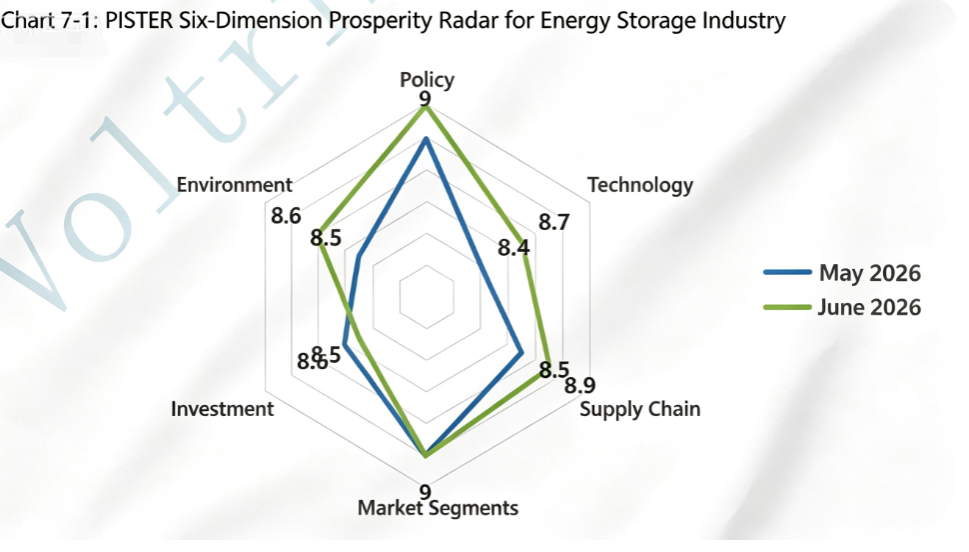
This report adopts Voltrix Industry Research Center's independently developed PISTER framework, assessing six dimensions – Policy, Technology, Supply Chain, Tracks, Investment, and Environment – based on quantitative indicators and qualitative judgment, scoring out of 10 (8+ = high prosperity), providing a continuously comparable quantitative reference for industry development.
June 2026 composite sentiment rose slightly month-on-month, remaining in the high-quality prosperity zone.
Table 7-1 PISTER Six-Dimension Sentiment Scores
| Dimension | Jun 2026 | May 2026 | Change | Core Basis |
|---|
| Policy | 9.2 | 9.0 | ↑ | Capacity tariff details implemented, revenue mechanism closed; overseas compliance rules clear, long-term boundaries defined |
| Technology | 8.7 | 8.4 | ↑ | Ultra-large cell yield ramping steadily; sodium-ion delivery timetable set; engineering progress ahead of expectations |
| Supply Chain | 8.9 | 8.7 | ↑ | Overseas capacity builds accelerating; raw material prices stabilizing; long-term contracting deepens; supply stability improving |
| Tracks | 9.0 | 9.0 | - | Grid storage base solid; compute storage booming; residential resilient; multi-track synergy |
| Investment | 8.5 | 8.6 | ↓ | Primary market cools, capital concentrates in leaders; valuation returns to rationality, healthier overall |
| Environment | 8.8 | 8.5 | ↑ | Export scale steadily grows; product structure upgrades; globalization deepens; development quality improves |
| Composite | 8.85 | 8.70 | ↑ | Industry moves from scale expansion to high-quality engineering commercialization phase |
7.2 Next-Month Core Watch List
Next month's report will focus on the following core events and data to validate trend continuity while monitoring marginal changes in key risk factors:
(1) Implementation details of more provincial capacity tariff rules, and initial grid-connection operational data of first compliant projects
(2) Yield ramp-up progress of leading players' ultra-large cell lines, and actual Q3 delivery status
(3) First commercial sodium-ion project results, and actual low-temperature operational data
(4) Overseas plant construction and commissioning progress, and local supply chain adoption rates
(5) First CBAM accounting results and their actual impact on export product costs
(6) Q3 storage tender season commencement scale, and long-duration project share changes
VIII. Risk Alerts: Marginal Changes and Uncertainties in Core Trends
Based on the comprehensive analysis of policy, technology, supply chain, sub-sectors, and capital, combined with industry sentiment assessment, this chapter identifies five major categories of uncertainty, detailing trigger conditions, transmission paths, and key watch signals.
8.1 Policy Compliance Risk: Implementation Pace and Tightening Magnitude Subject to Variance
Policy is the core underlying variable; deviations in implementation pace, enforcement strictness, or tightening magnitude from current expectations would directly impact industry profit models and competitive landscape.
(1) Domestic capacity tariff implementation divergence risk – provincial details may diverge significantly in compensation standards. Provinces with looser power supply-demand and limited peak-shaving needs may lower unit compensation and raise annual dispatch-hour thresholds, causing actual project IRR below market consensus; overly strict list management enforcement could temporarily slow project filings and construction starts.
(2) Overseas compliance rules over-tightening risk – EU CBAM accounting may extend further upstream to include lithium, cobalt, nickel mining full-chain emissions, or EU carbon prices could spike above €100/ton, making carbon cost increases for Chinese exports exceed market expectations; US IRA FEOC scope expansion could directly impact the Southeast Asia transit export model.
(3) Emerging market policy reversal risk – Thailand, Saudi Arabia, Brazil, etc. are still adjusting their industrial support policies; if local content, technology transfer, or local hiring requirements are scaled up beyond expectations, overseas deployment costs and timelines would increase, disrupting globalization rhythms.
8.2 Technology Commercialization Risk: Engineering Ramp-Up May Underperform Expectations
This month's core judgments are based on assumed ramp-up schedules for mainstream technology routes; if engineering bottlenecks prove harder than expected, the inflection points for technology iteration and cost reduction would be delayed.
(1) Ultra-large cell yield delay risk – process bottlenecks such as large-format coating uniformity, cell packaging deformation control, and long-cycle expansion stress management may be more difficult than widely anticipated. If leading companies' 95% yield target slips from Q3 2026 to Q4 or beyond, the cost inflection point would be postponed, affecting grid-storage technology iteration and system cost-reduction pace.
(2) Sodium-ion supply chain maturity risk – sodium-ion commercialization heavily depends on coordinated supply chain readiness. If core materials like layered-oxide cathodes and specialized electrolytes cannot keep up with demand, mass-production costs could exceed expectations, undermining economic advantages in long-duration and cold-region scenarios, with commercialization delayed by 1–2 quarters.
(3) Disruptive technology route risk – if all-solid batteries achieve unexpected breakthroughs in electrolyte material systems or interface stability, it could disrupt current semi-solid and liquid routes, creating stranded-asset risks; meanwhile, rapid cost declines in flow batteries, compressed air, and other long-duration technologies could divert market share from lithium in long-duration applications.
8.3 Industrial Chain Volatility Risk: Supply Chain Restructuring and Raw Material Price Uncertainty
Smooth industrial chain operation underpins industry sentiment; raw material price shocks, overseas capacity construction delays, and recycling system lags would disrupt current supply-demand balance and cost expectations.
(1) Lithium carbonate price range-break risk – while consensus expects 150–200k RMB/ton range, two-way breaks are possible. Faster-than-expected upstream lithium supply or weaker downstream demand could push prices below reasonable floor, triggering inventory write-downs and earnings volatility across the chain; conversely, concentrated production cuts or geopolitical disruptions could spike prices, squeezing mid-to-downstream margins.
(2) Overseas capacity construction delay risk – differences in local labor efficiency, insufficient local supply support, and lengthy compliance approvals may delay European and Southeast Asian plant commissioning and lengthen ramp-up cycles versus domestic lines, affecting revenue realization from overseas layouts and potentially missing local market windows.
(3) Recycling system lagging compliance requirements – if domestic recycling technology upgrades and overseas local recycling network deployment fall behind EU Battery Regulation mandates, companies may fail to meet 2030 recycled lithium content requirements, risking loss of EU market access.
8.4 Market Demand Risk: Sub-Sector Release Pace Deviations
Growth certainty varies across sub-sectors; if demand releases slower than expected, overall industry growth and profitability would be directly affected.
(1) Grid-scale storage tender volume below expectation – if power system peak-shaving demand materializes slower than planned, or if grid connection capacity and supporting transmission construction lag, H2 tender volumes may fall short, intensifying competition and compressing integration margins.
(2) AIDC compute storage demand slowdown – if global AI capex adjusts or leading cloud/IDC construction schedules slip, compute storage demand realization could lengthen, potentially cooling sector heat and undermining high-premium sustainability.
(3) Residential storage demand decline and price-war intensification – if European energy prices continue to fall, payback periods would lengthen, suppressing replacement and new demand; meanwhile, a surge of manufacturers into Southeast Asia, Latin America, and other emerging markets could trigger homogeneous price wars, rapidly compressing industry margins.
8.5 Geopolitical and Macro-Trade Risks: Exogenous Shocks from Global Shifts
The deepening of globalization also means the industry's exposure to geopolitical, exchange-rate, and trade-policy exogenous variables continues to rise.
(1) Intensified geopolitical conflicts – escalation could stall overseas projects, disrupt supply chains, and affect business continuity and asset safety of overseas operators.
(2) Global trade barriers further escalate – if more countries launch anti-dumping, countervailing investigations, or additional access barriers against Chinese lithium products, regional supply chain fragmentation would accelerate, raising comprehensive costs of globalization.
(3) Sharp exchange-rate fluctuations – significant one-sided RMB moves would directly impact export companies' forex gains/losses and overseas product price competitiveness, thus affecting overseas earnings.
All judgments in this report are based on current public information and industry baseline assumptions. Voltrix Industry Research Center will continuously track marginal changes in the above risk factors and update assessments in monthly reports.
IX. Appendix
9.1 Core Data Comparison Table
| Category | Core Indicator | Jun 2026 | May 2026 | MoM Change | Data Source |
|---|
| Market | Domestic lithium full-category production schedule | 268 GWh | 249 GWh | +7.6% | Industry association survey |
| Market | Storage cell production share | 41.4% | 42.3% | -0.9 pct | Industry association survey |
| Price | Lithium carbonate spot price range | 150–180k RMB/t | 170–200k RMB/t | Range lowered | SMM |
| Technology | Ultra-large cell industry average yield | 90.2% | 88.5% | +1.7 pct | Front-line engineering survey |
| Tracks | Long-duration storage tender share | 45% | 42% | +3 pct | Public tender data compilation |
| Trade | Cumulative storage product export growth | +28% | +26% | +2 pct | China Customs |
9.2 Legal Disclaimer
(1) This report is independently prepared by Voltrix Industry Research Center based on authoritative public information and first-hand industry research. It is a neutral industry research output, does not constitute commercial product promotion, and is not intended as investment or business decision advice.
(2) All cited data are from official agencies, industry associations, and publicly disclosed corporate information; copyrights belong to the original holders. Judgments and conclusions represent only the industry views of the Research Center and do not involve any undisclosed confidential information.
(3) This report is for industry exchange and reference only. The Center assumes no liability for any direct or indirect losses arising from the use of this report.
(4) Copyright © Voltrix. Reproduction or quotation must acknowledge the source; no modification, distortion, or commercial use is permitted.
9.3 About Us
Voltrix Industry Research Center focuses on front-line implementation research in the lithium battery energy storage industry, leveraging an engineering-oriented industrial perspective to deliver in-depth, objective, and actionable industry insights. The Center maintains a neutral independent research stance, committed to providing high-quality, penetrating industry intelligence for practitioners, investors, and industry observers.
Data update frequency: Monthly rolling updates
Next report release date: August 5, 2026
© 2026 Voltrix New Energy Industry Research Center. All rights reserved.